
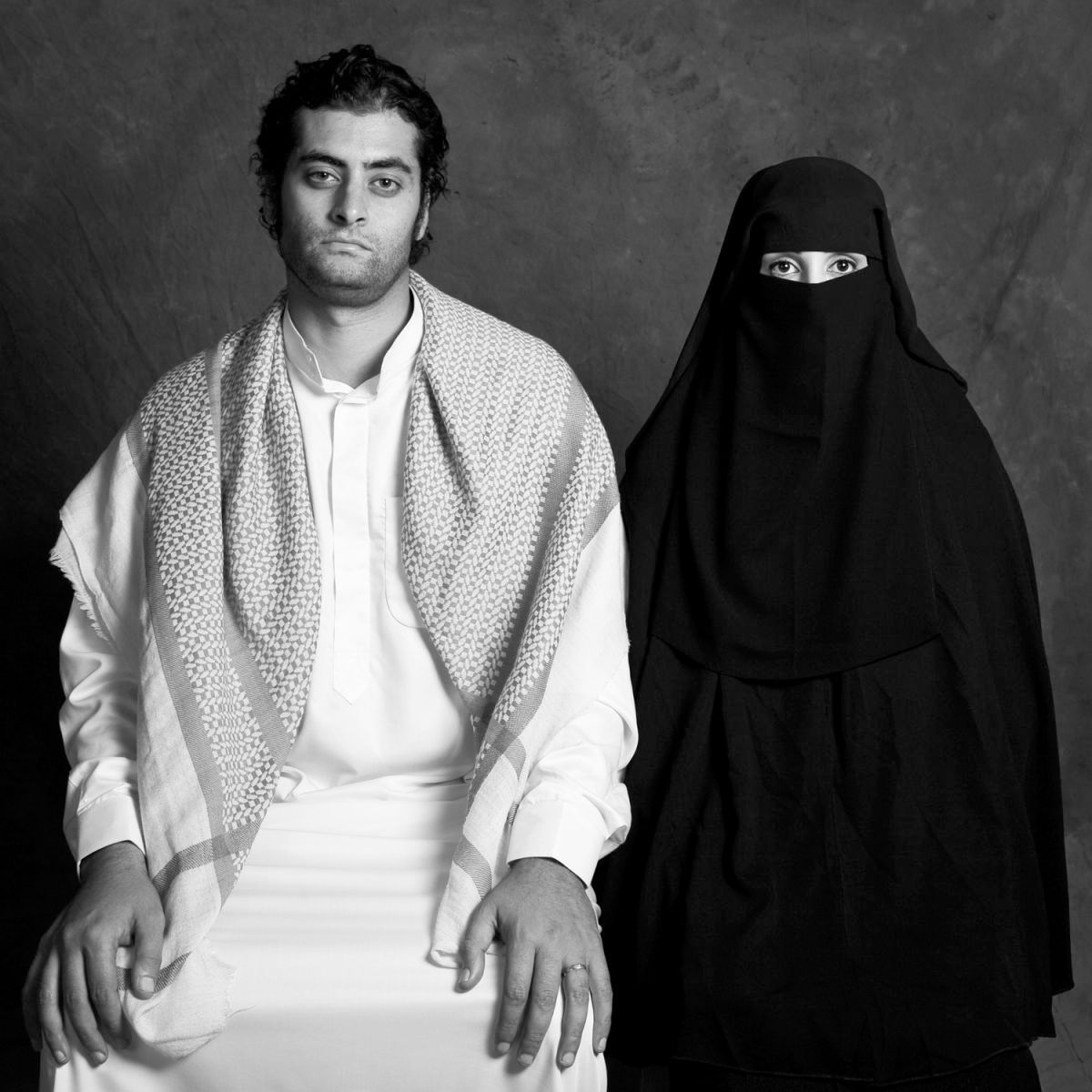
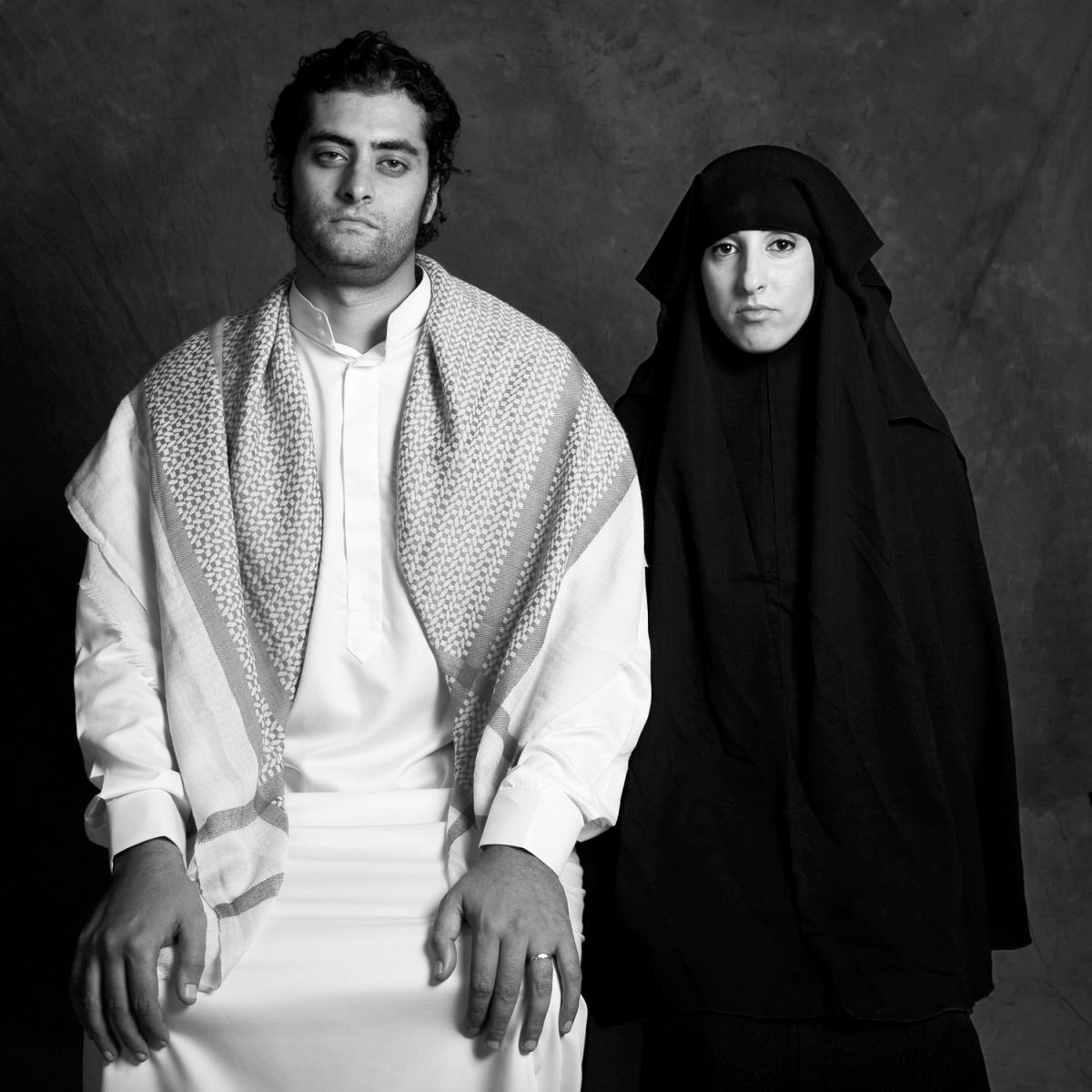
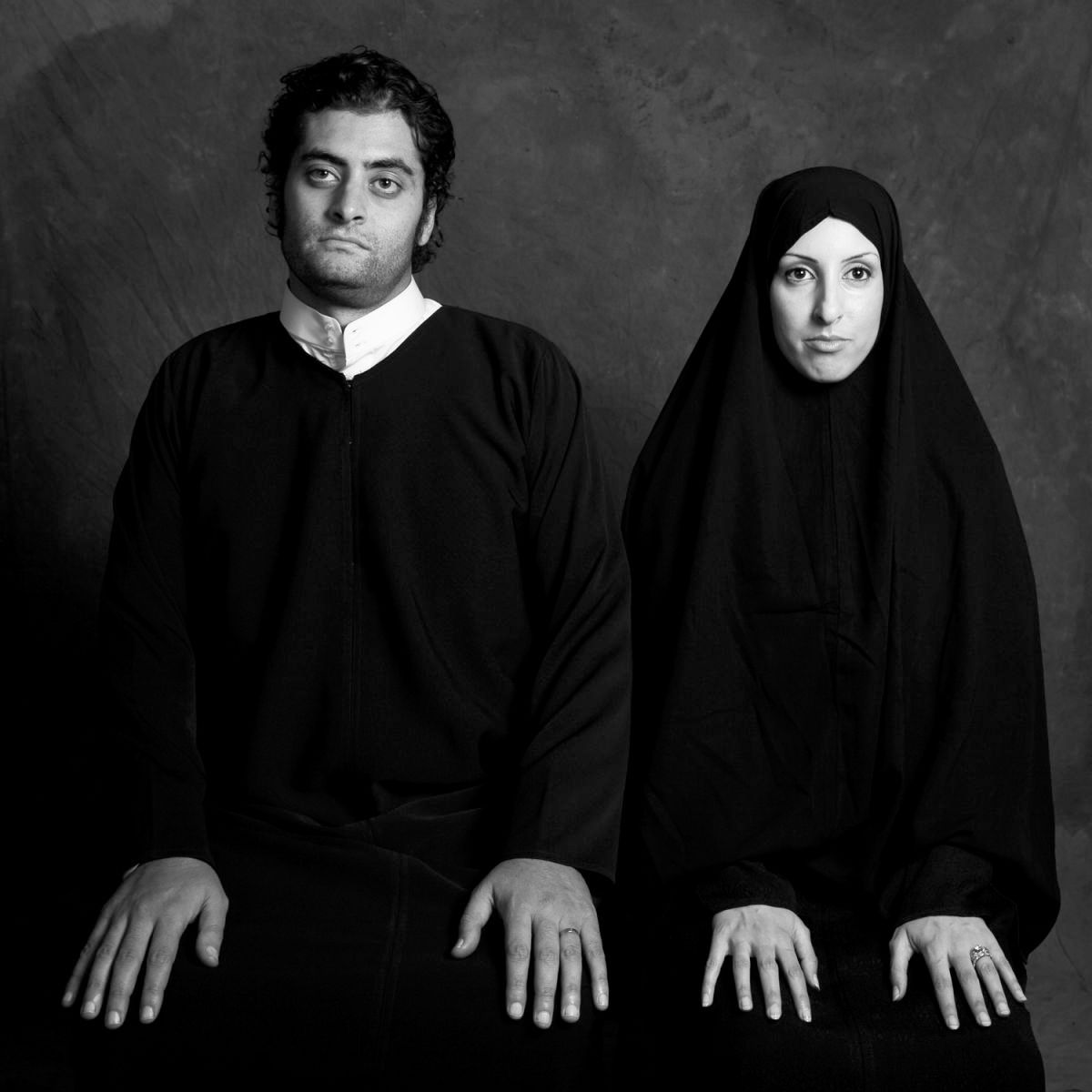
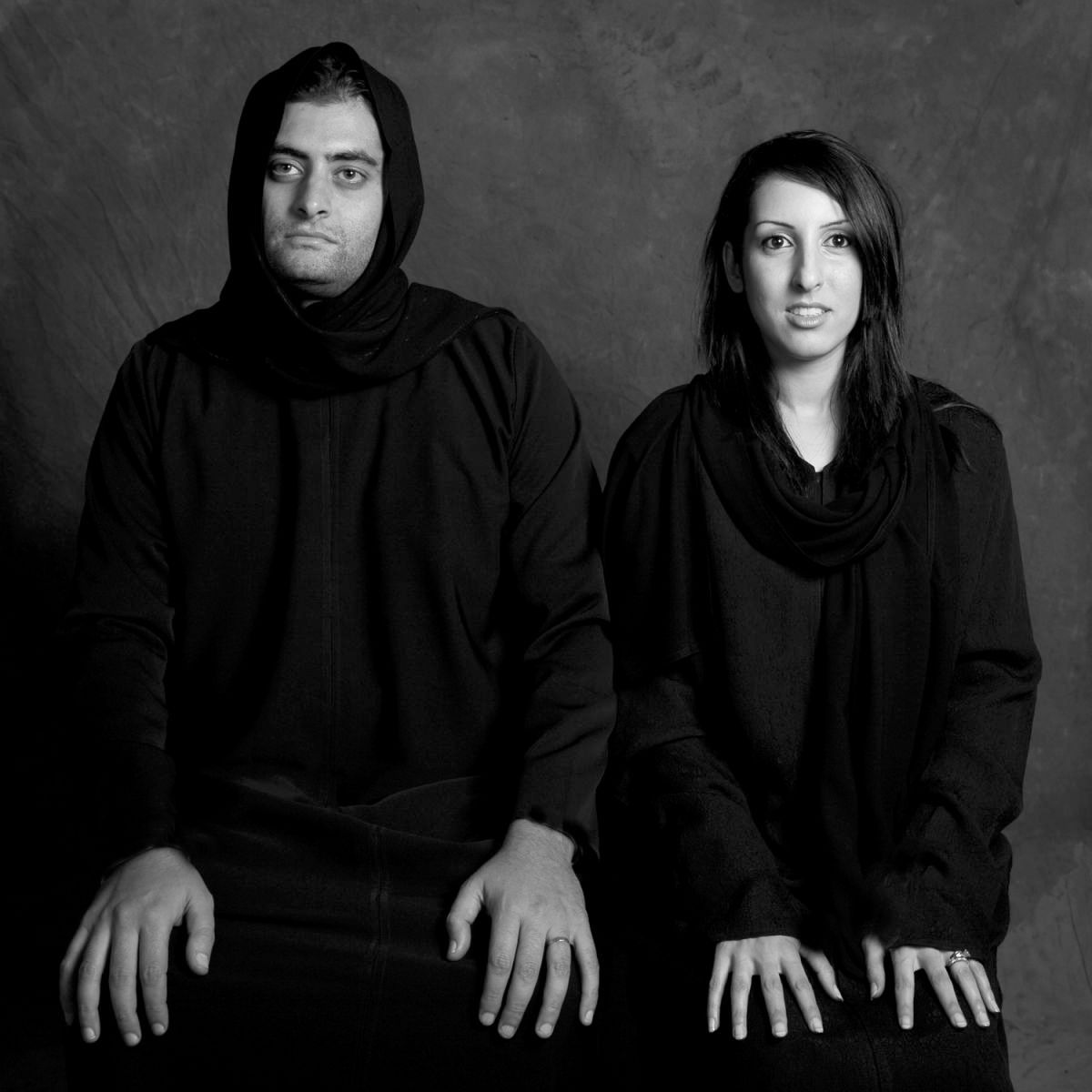


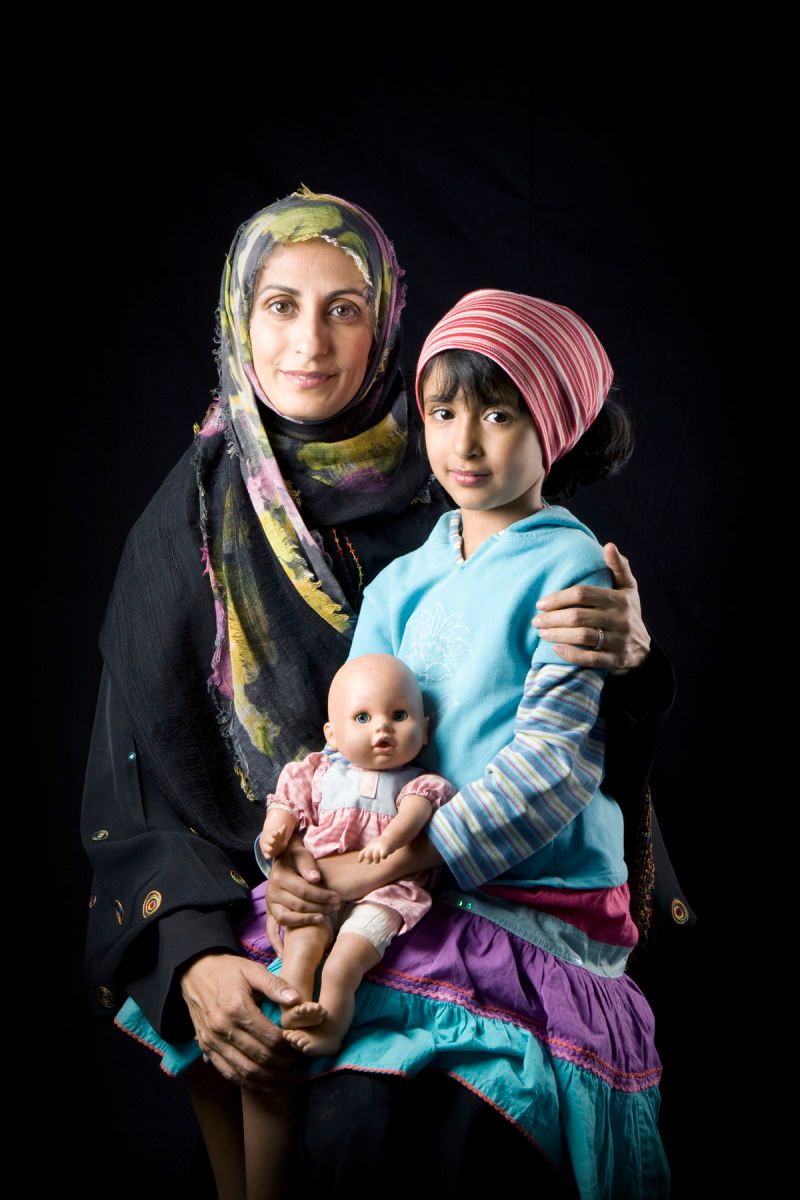
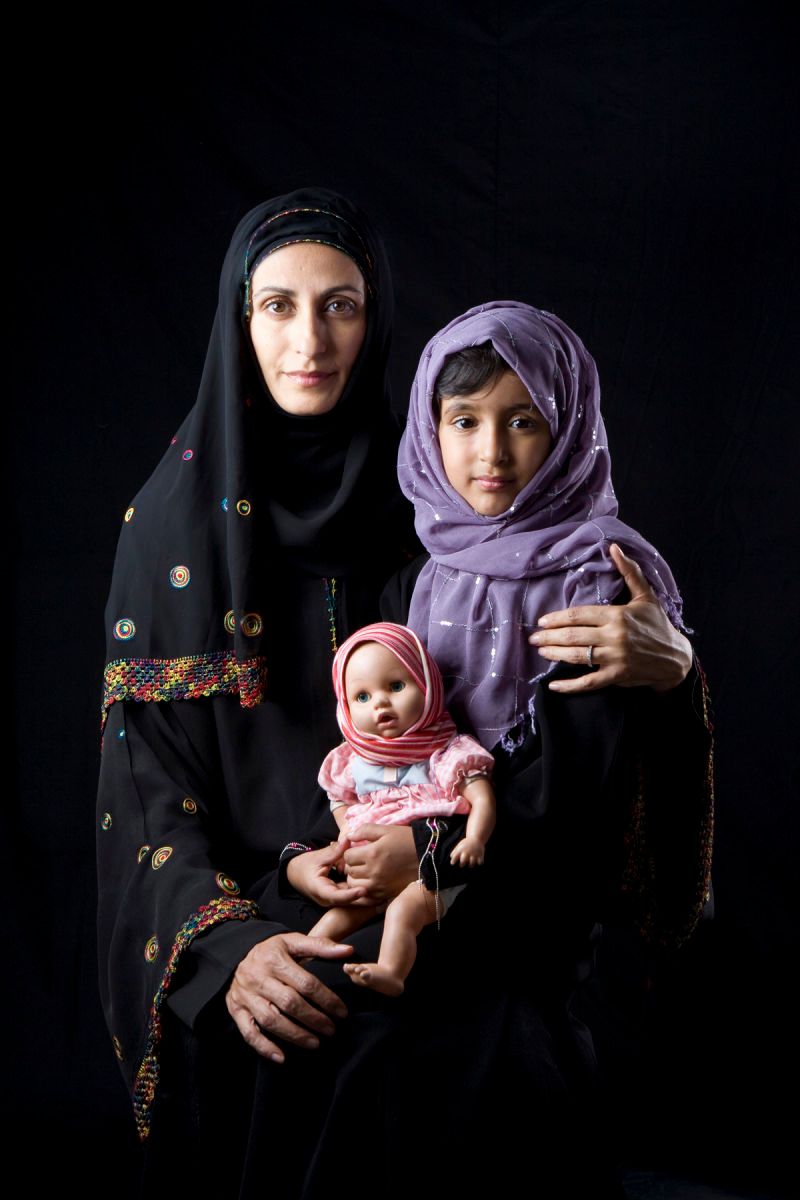
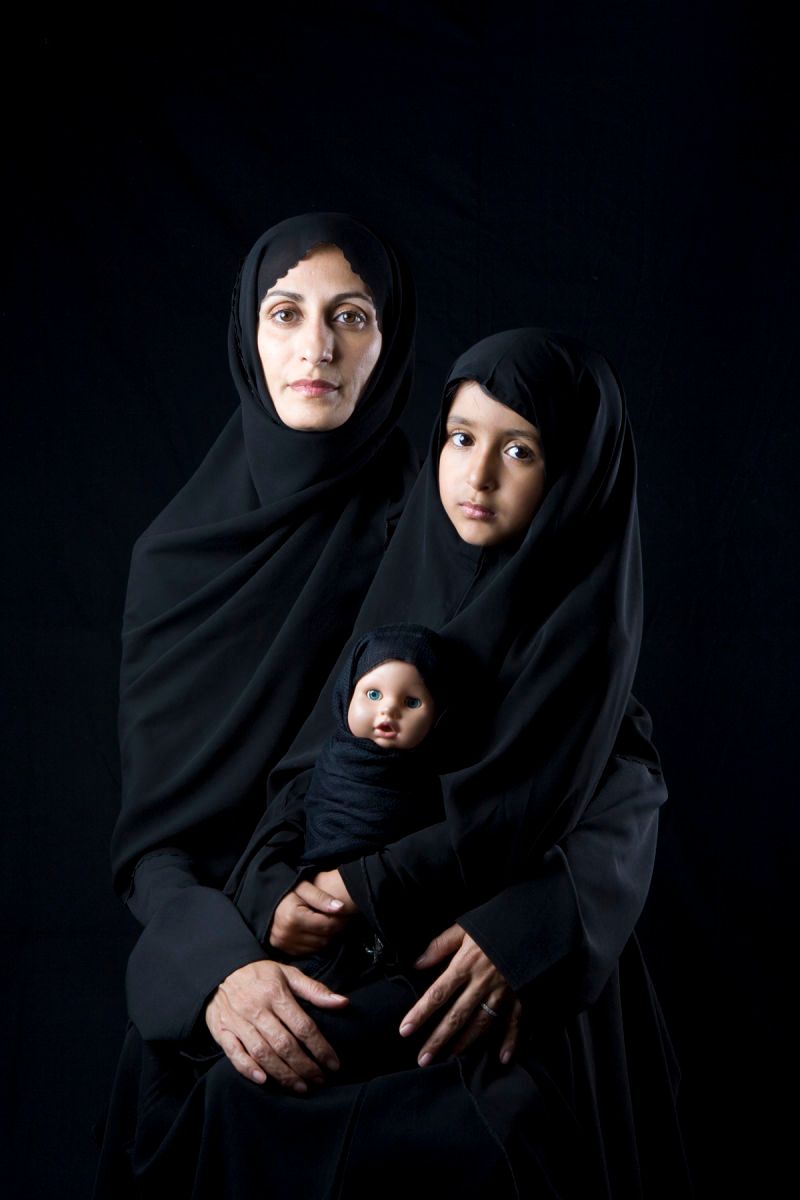
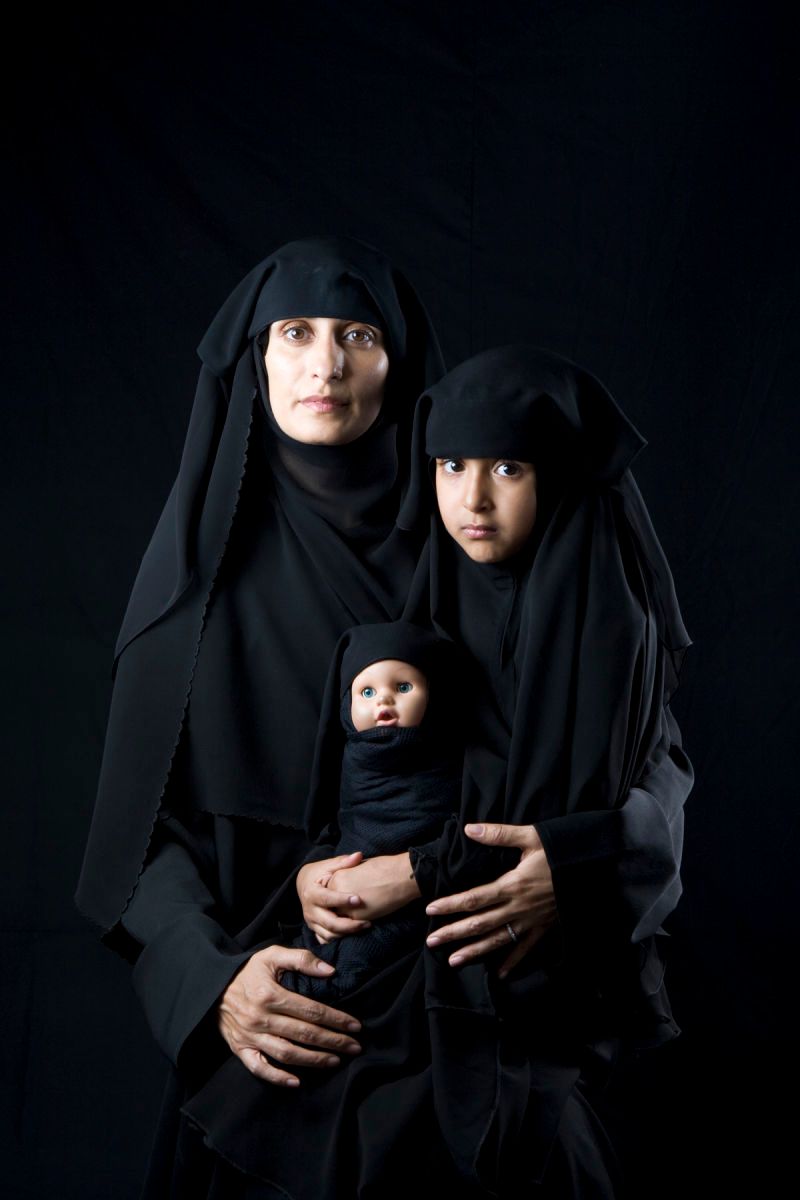

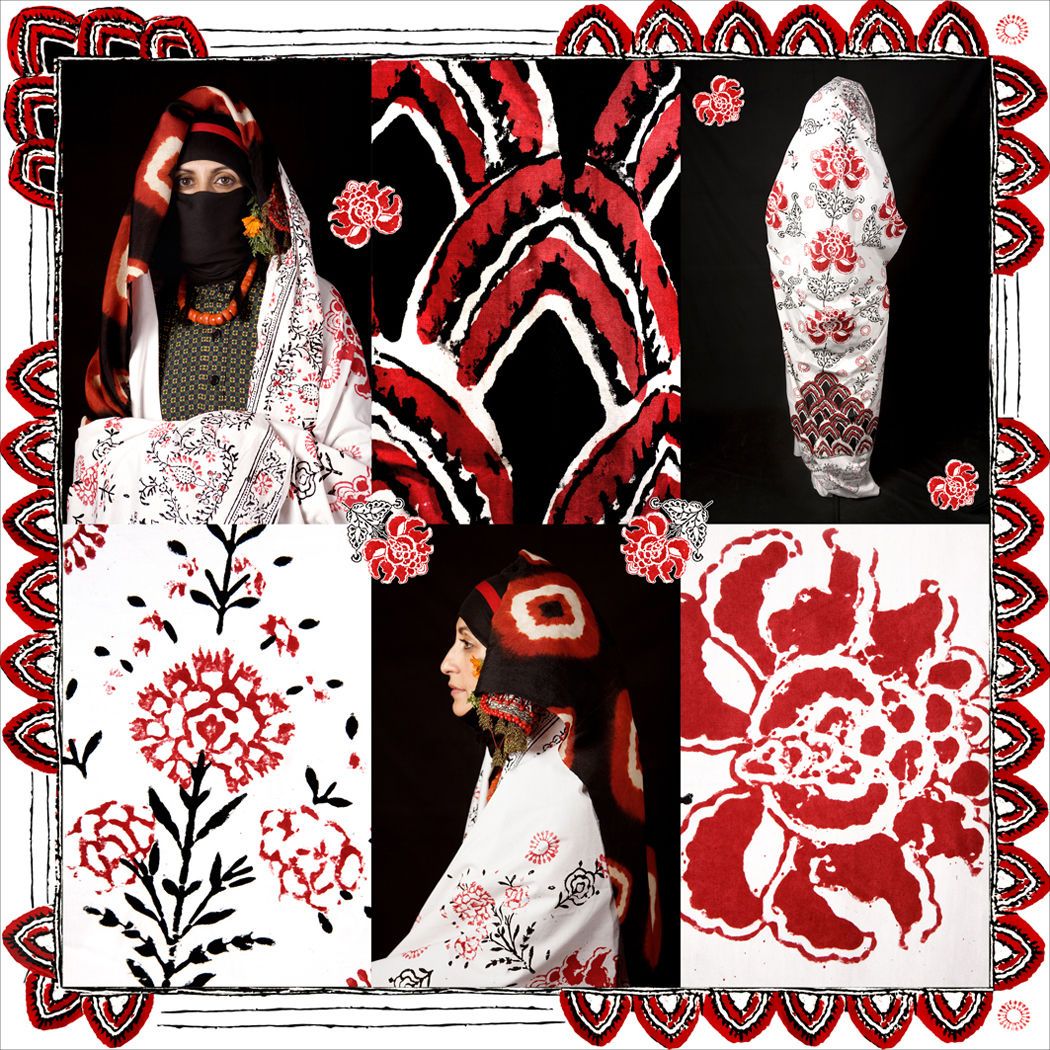
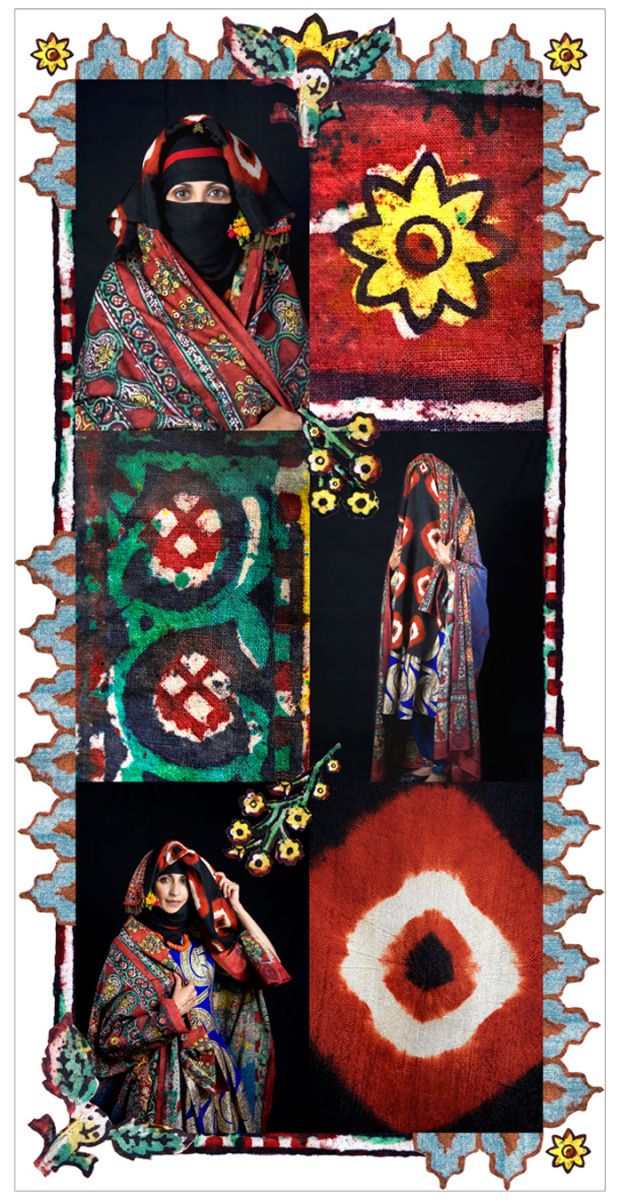
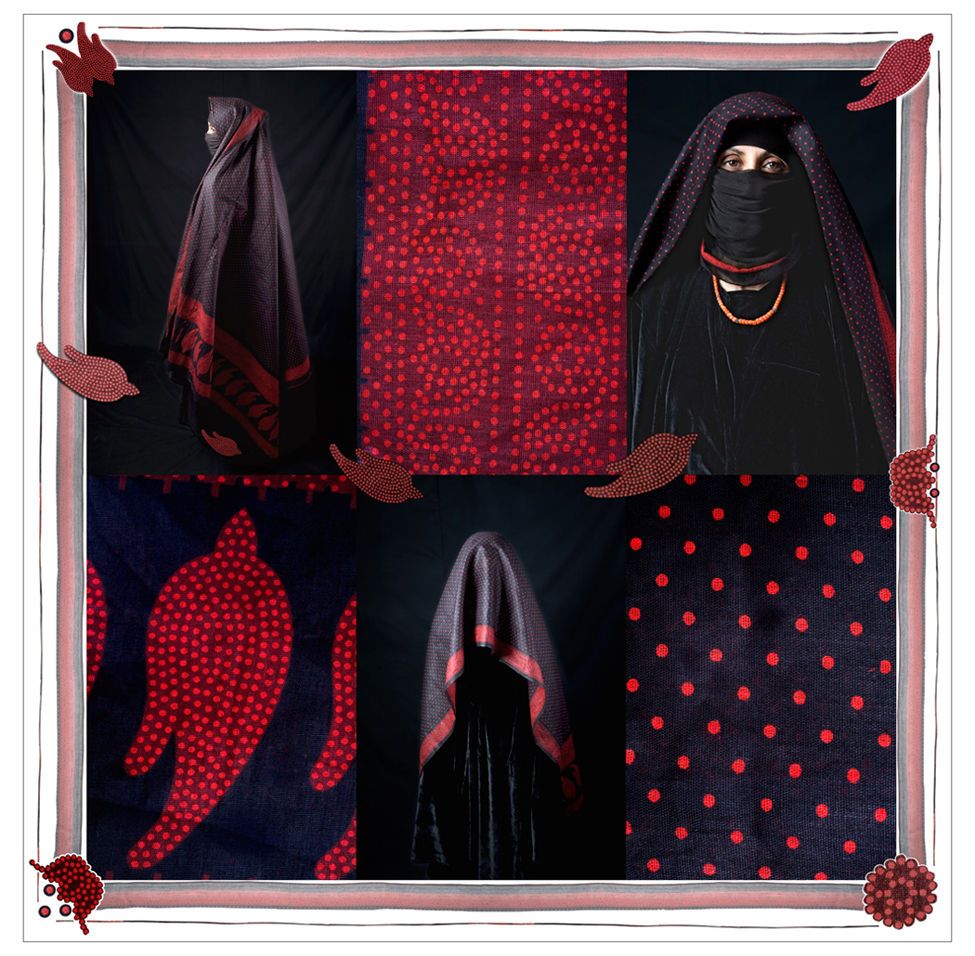
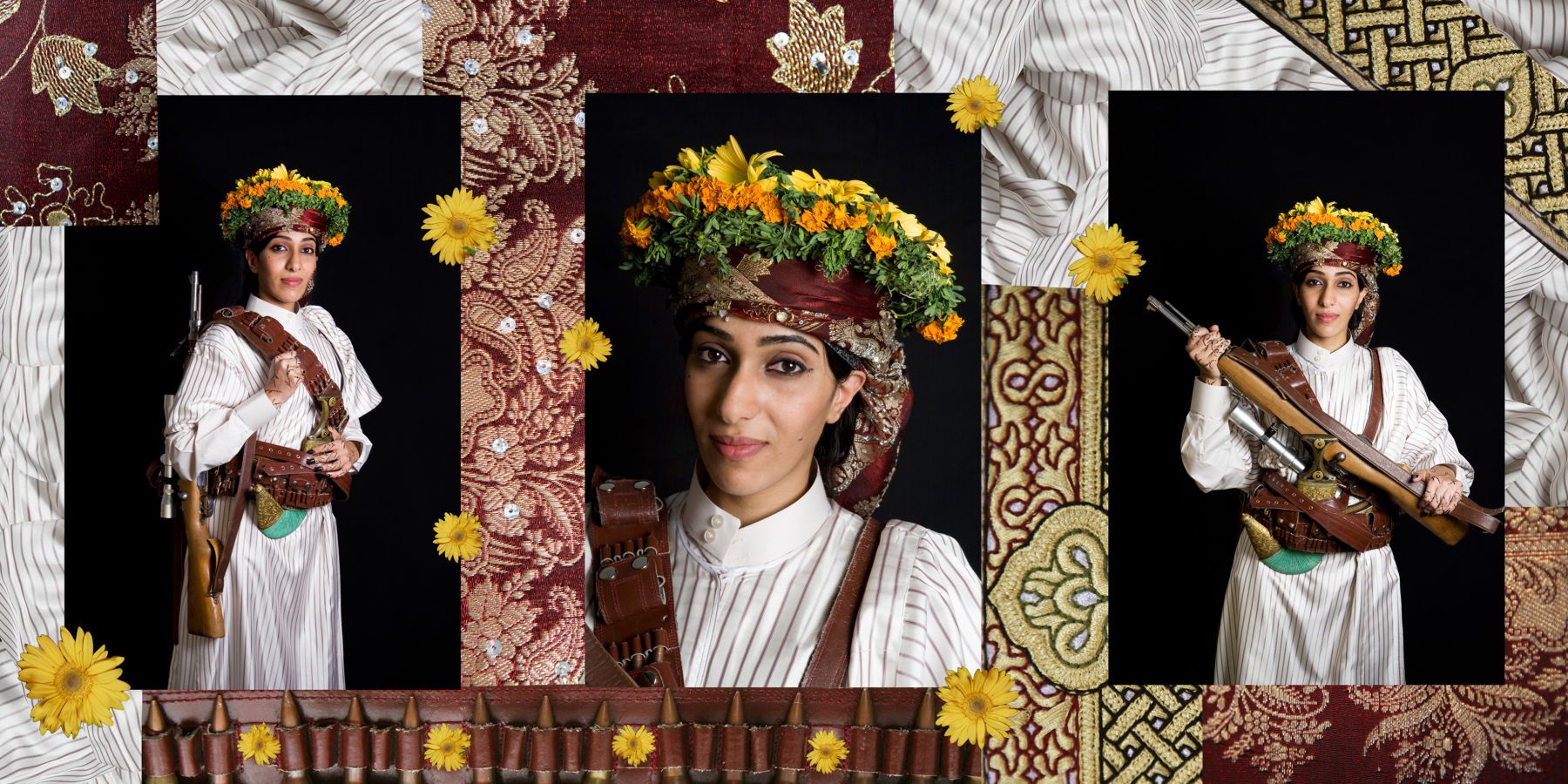
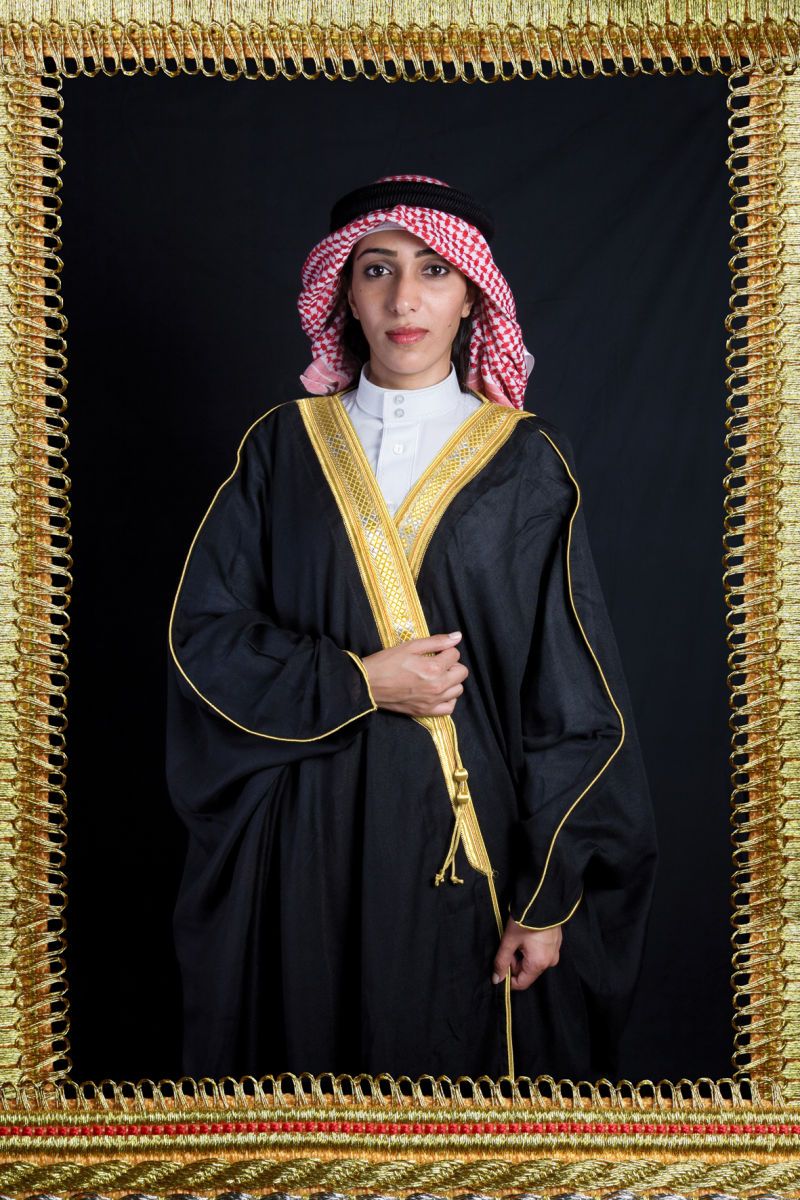
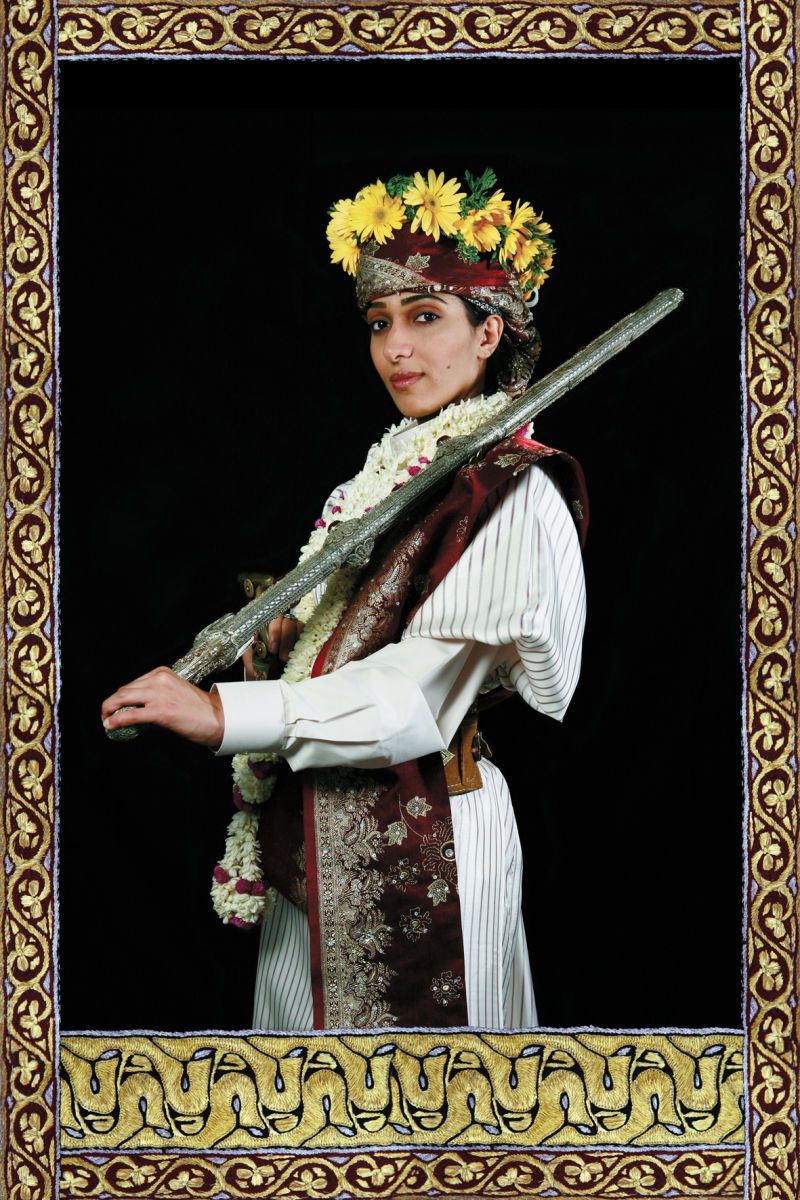
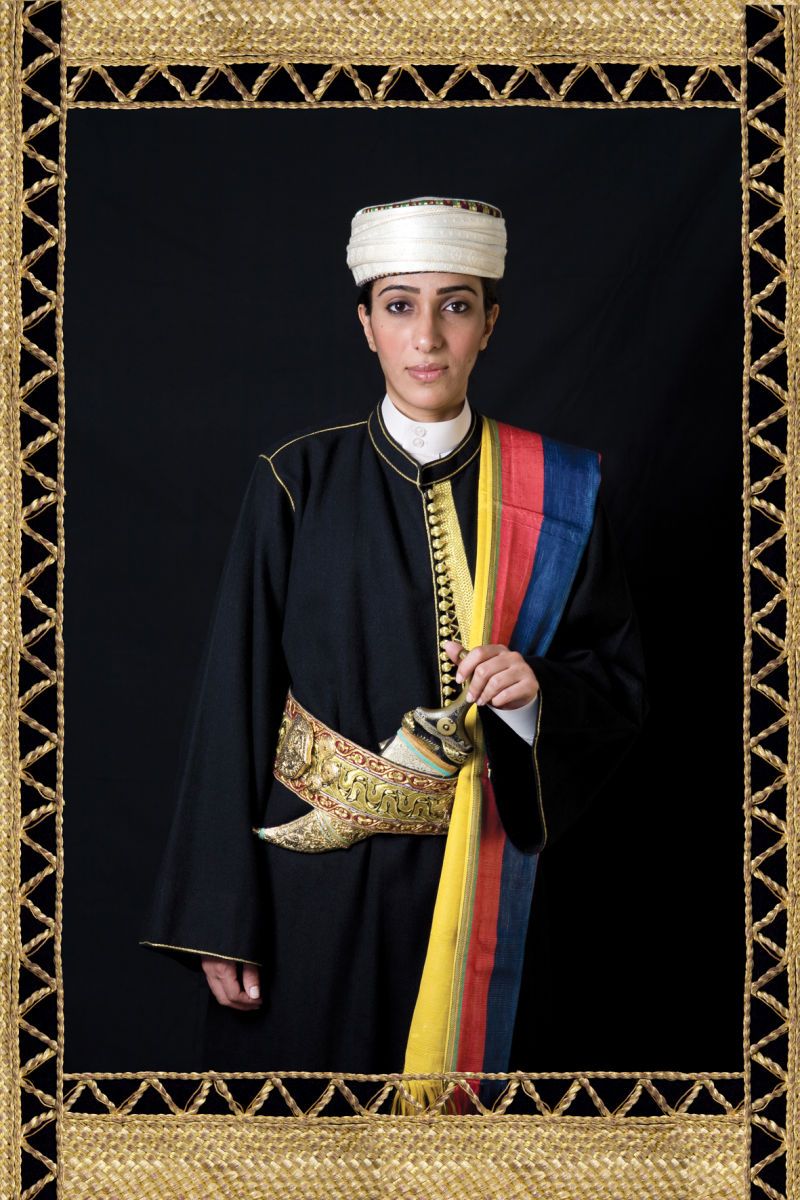
The Hijab Series
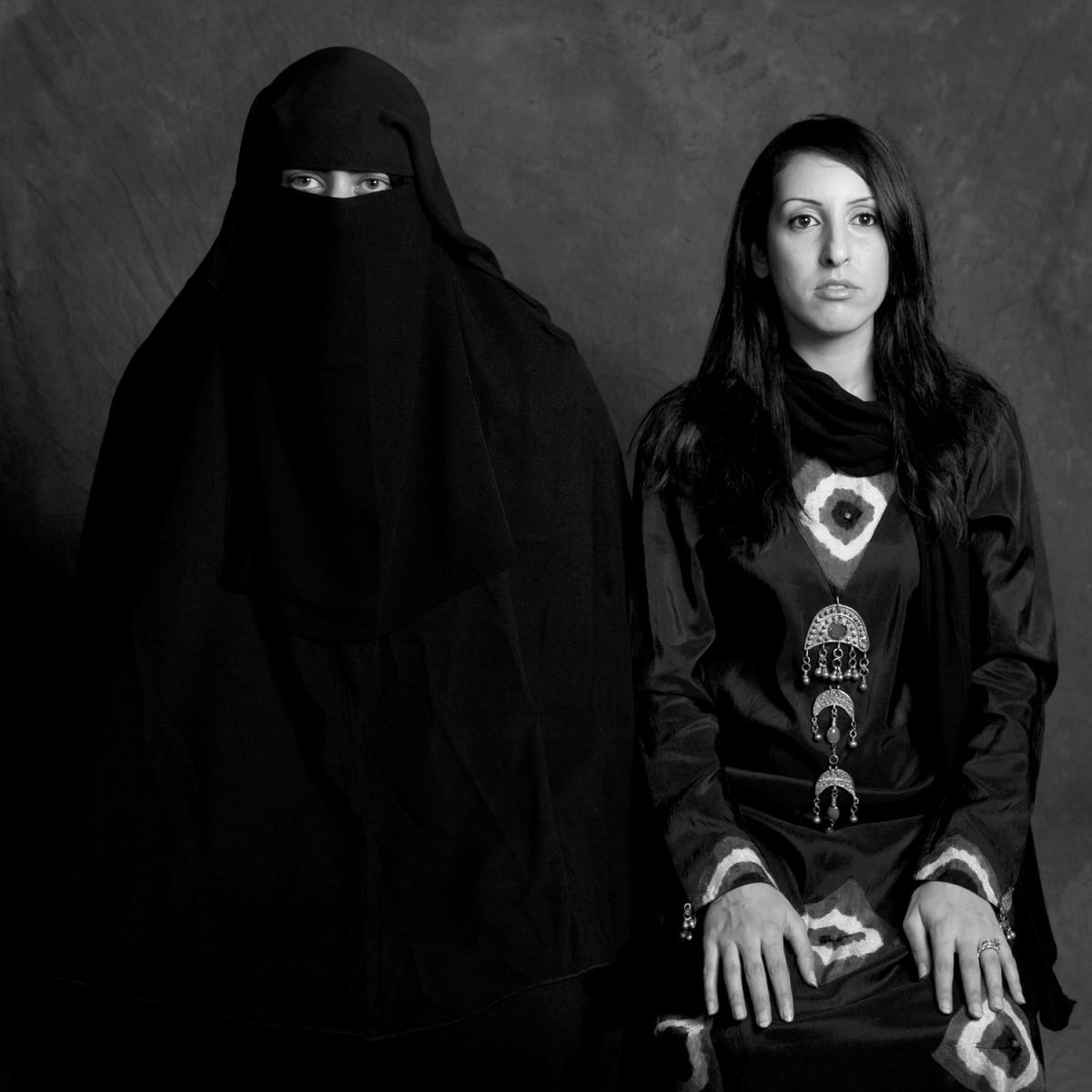
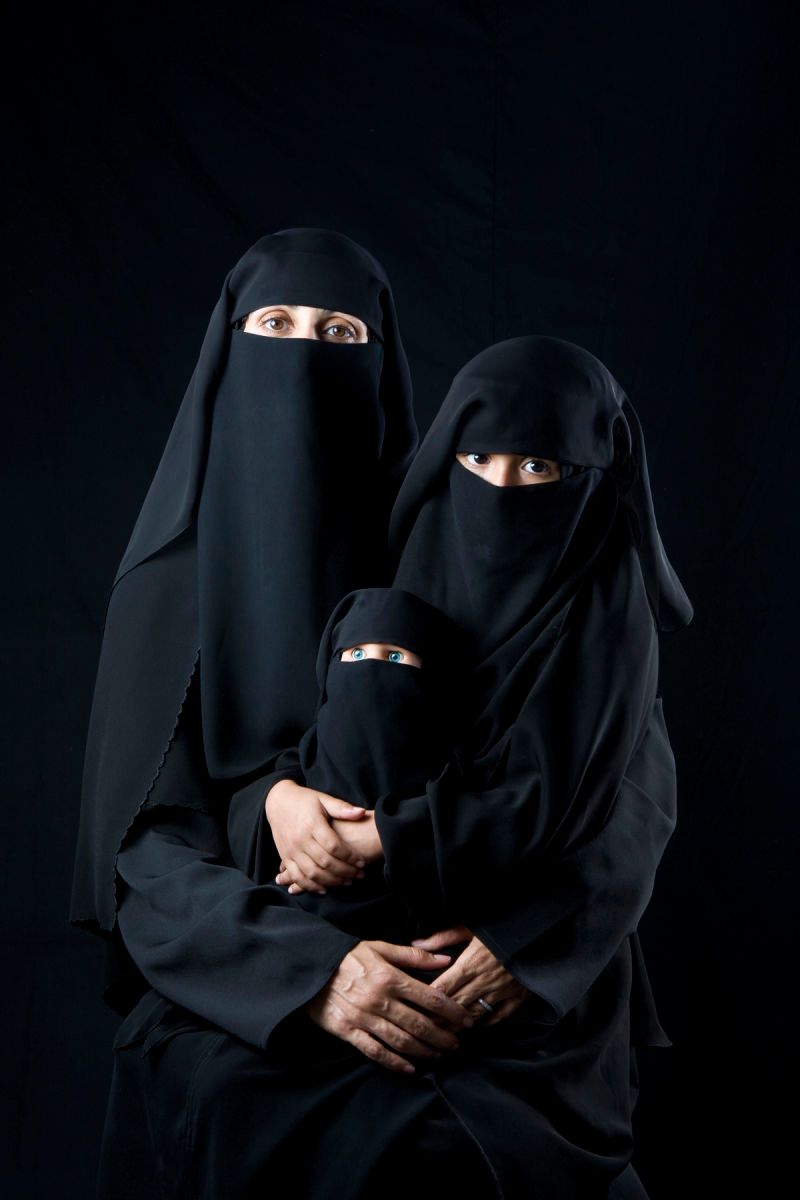
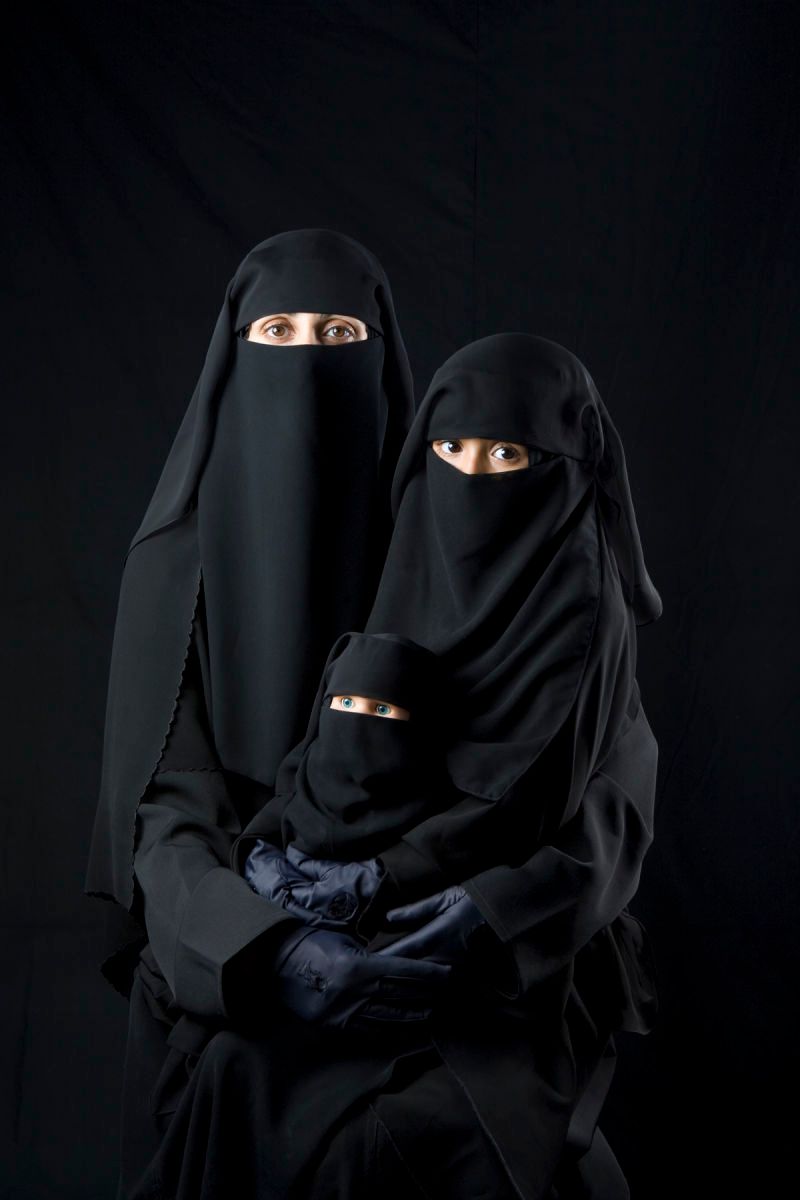
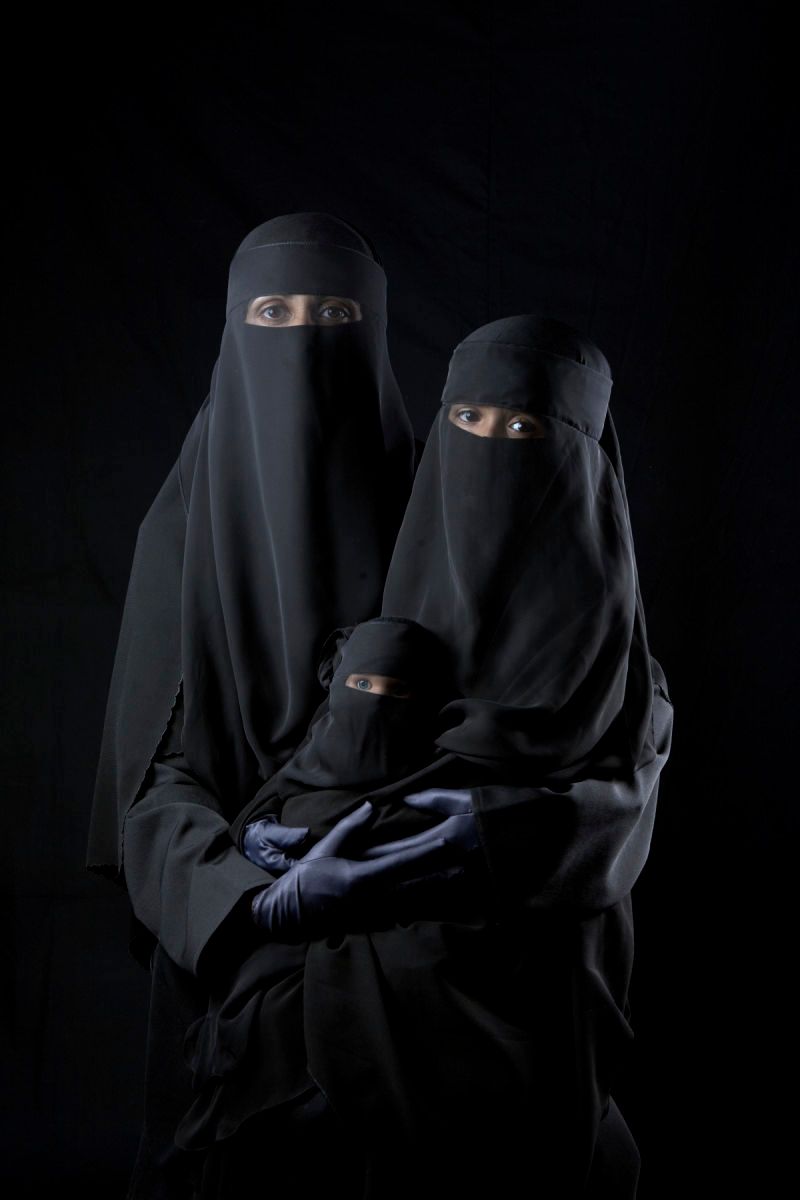
I had been reluctant for years to create images on the hijab. I felt it was a cliche topic as well as a divisive one. However, After Sept 11, I was compelled to create images on the veil, among other things. Particularly since Islam, Muslims, their beliefs and way of life, had taken international center stage, and not in the best way. Arabs and Muslims, were/are either demonized or romanticized. Part of this paradoxical portrayal is the way Middle Eastern women have been portrayed artistically and or in the media: as exotic, beautiful, mysterious, or helpless, oppressed and ugly. Part of this portrayal, in many cases has included the hijab/veil.
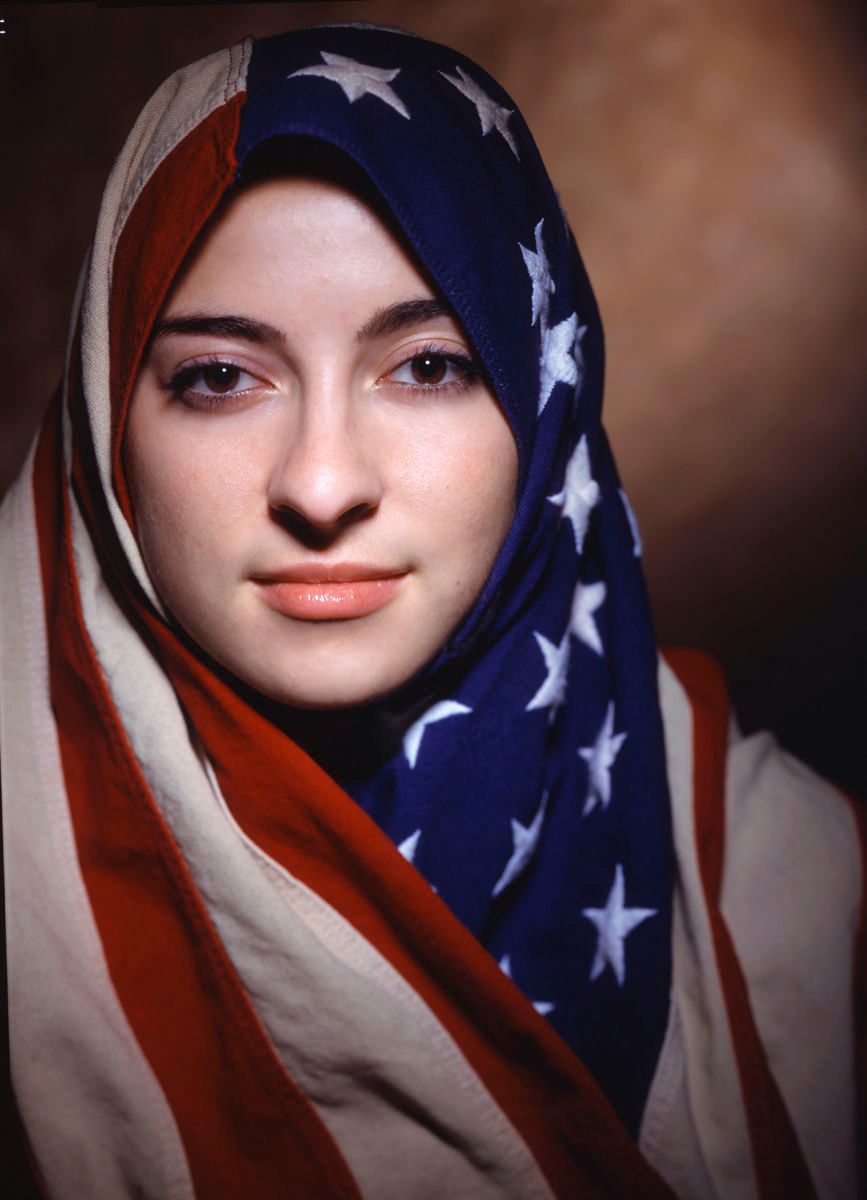
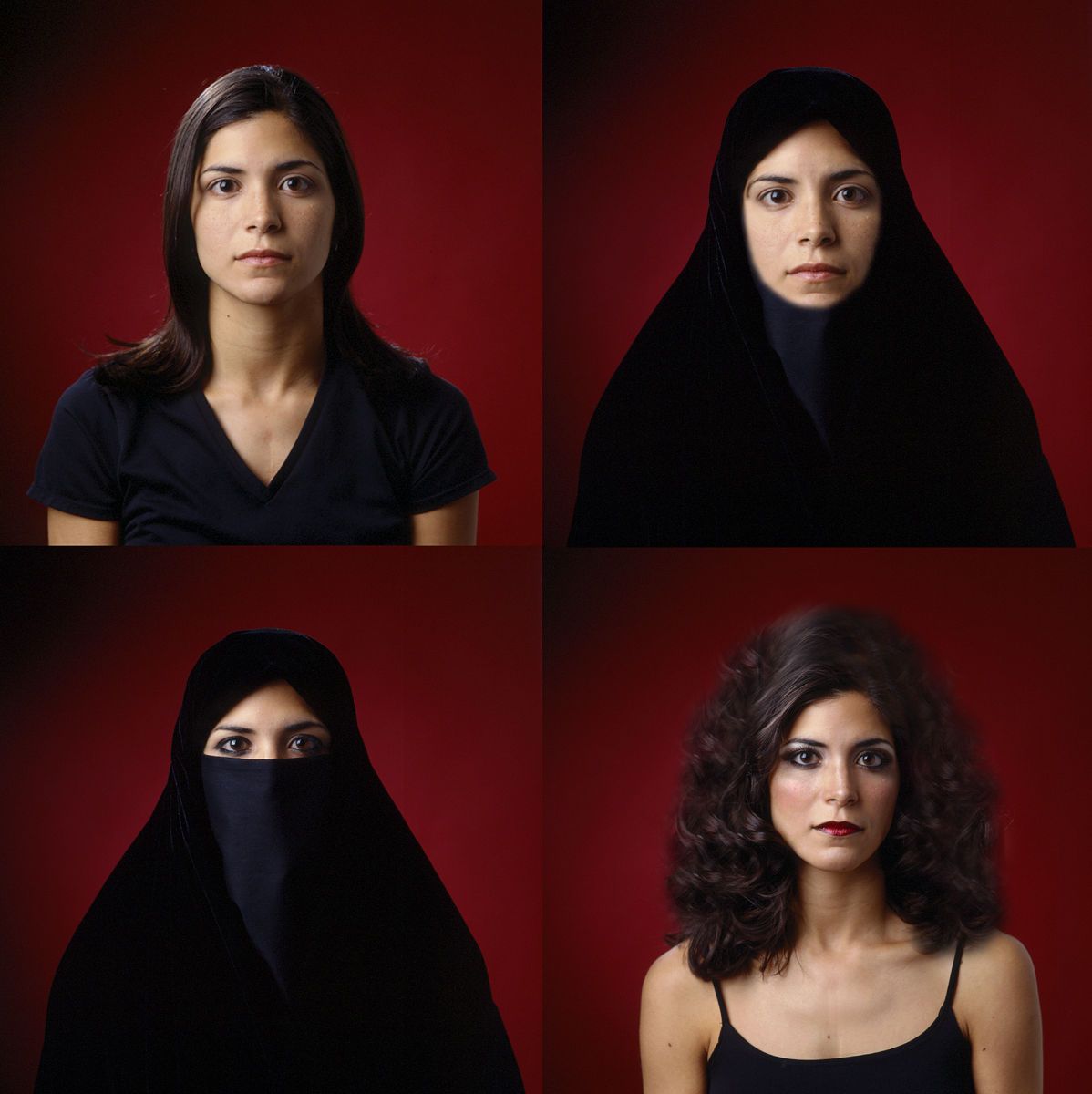
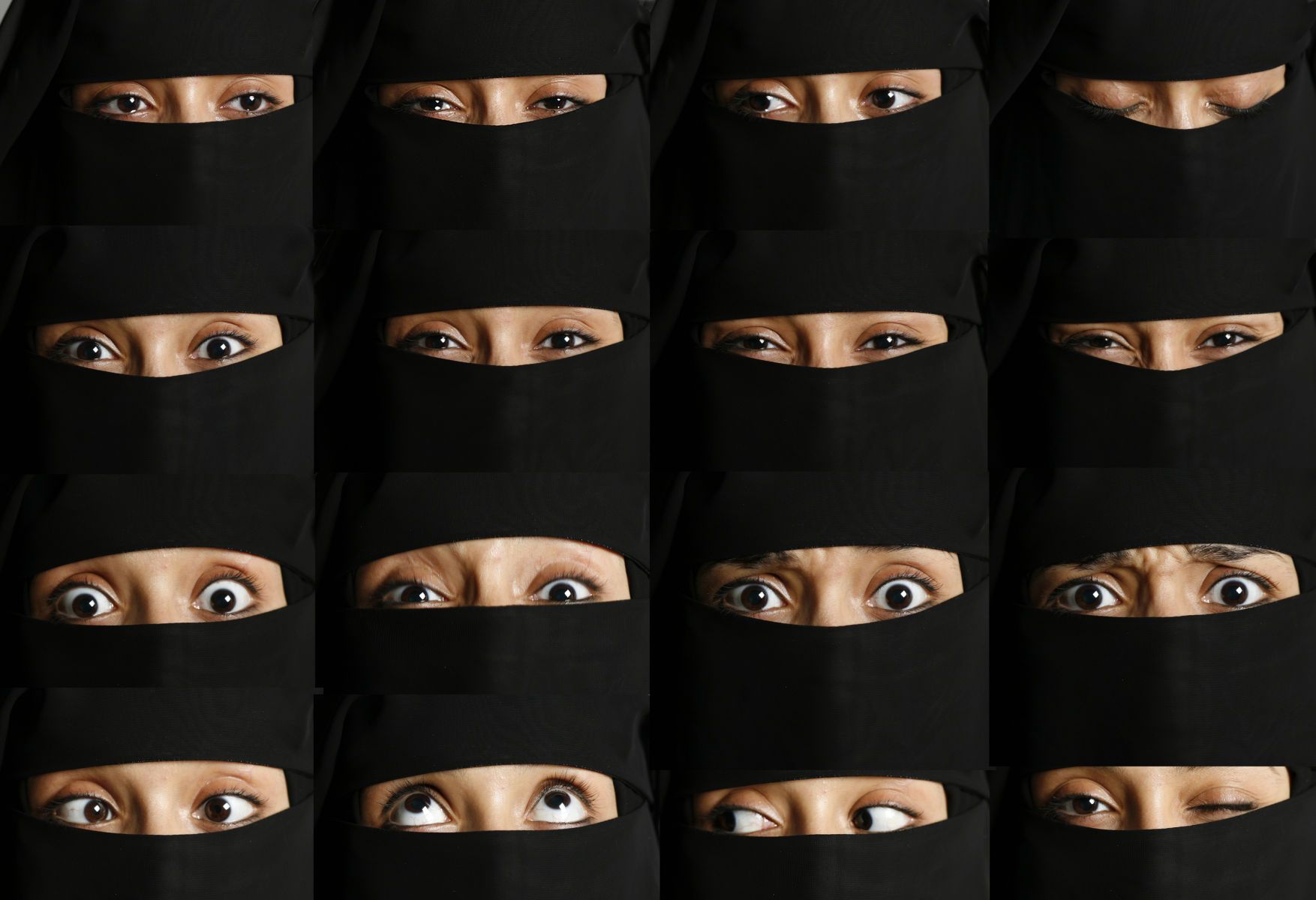
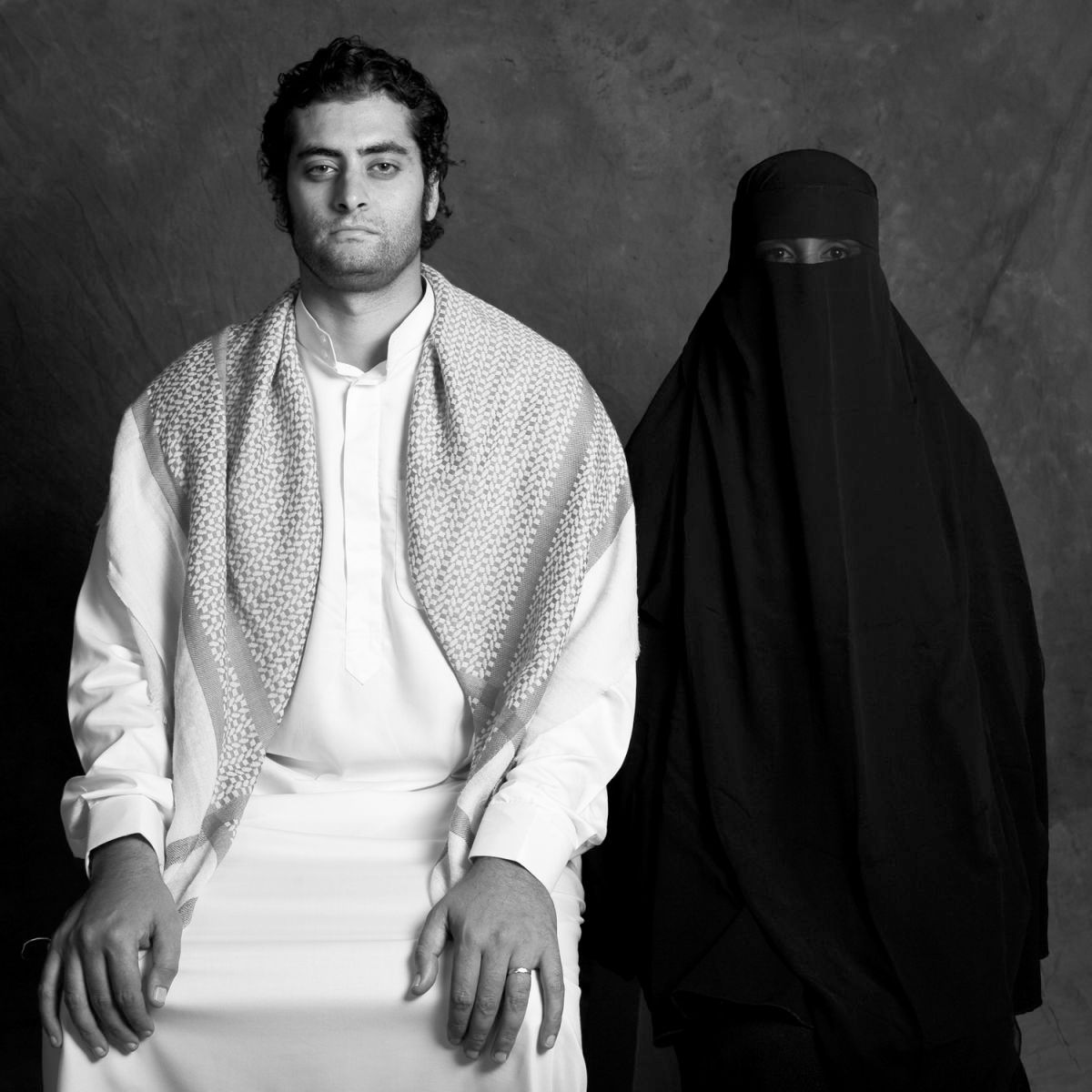
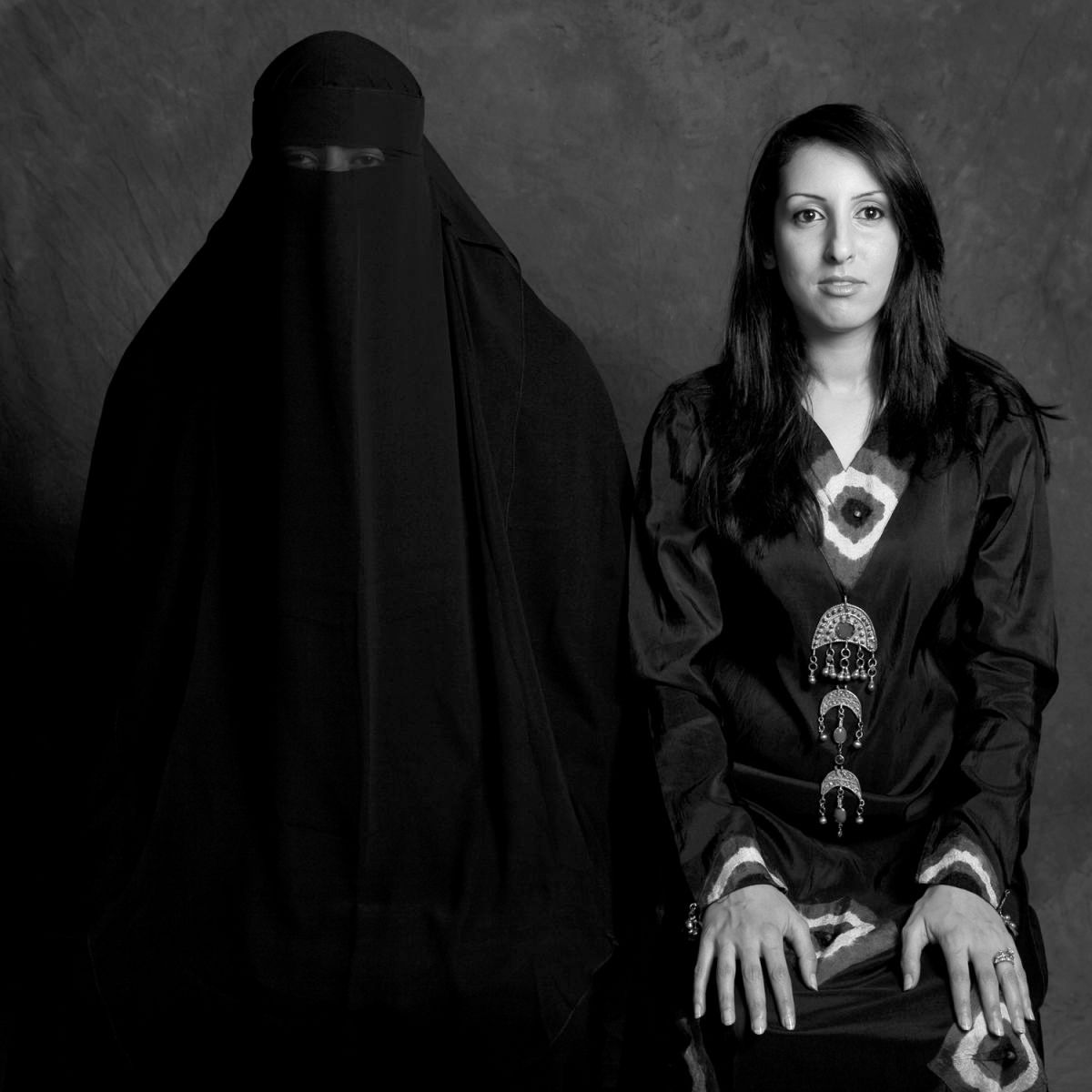
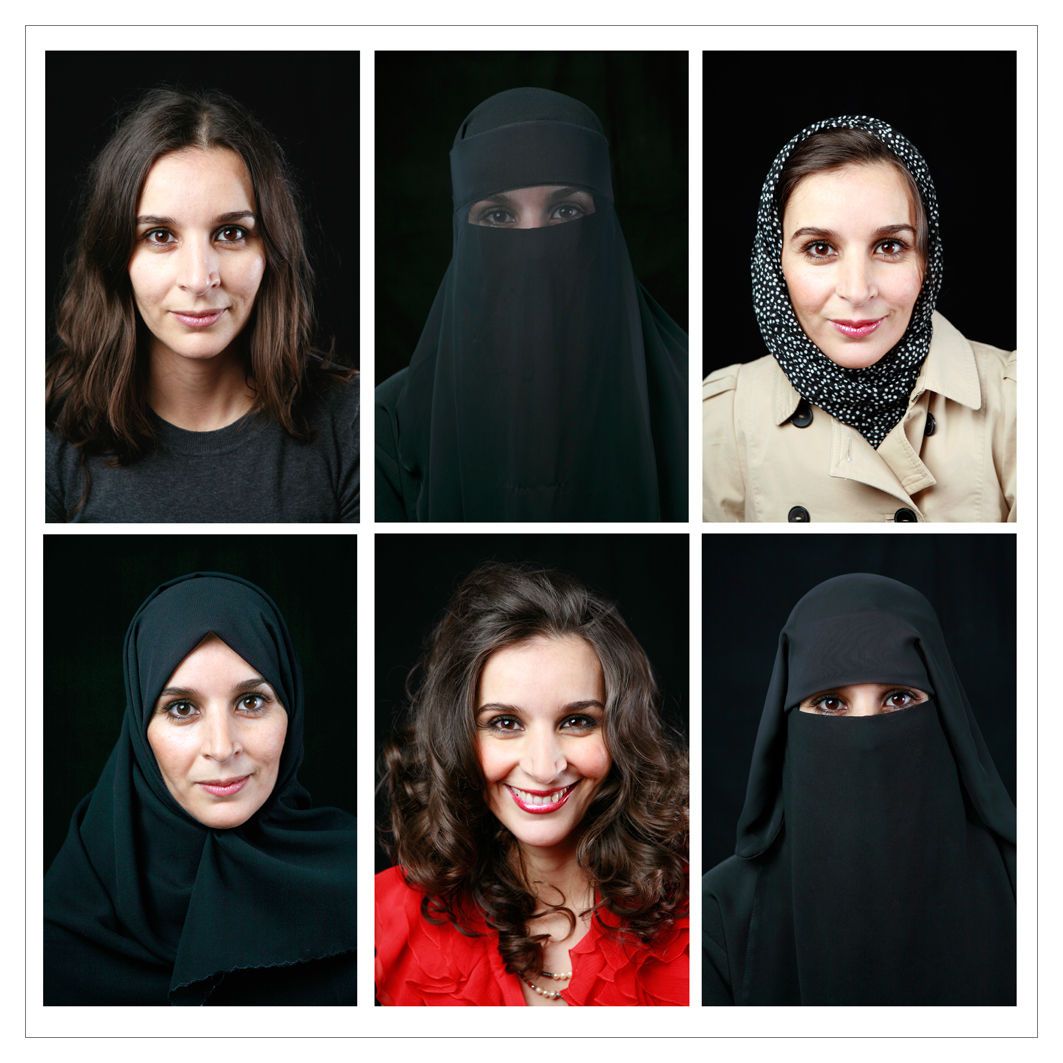
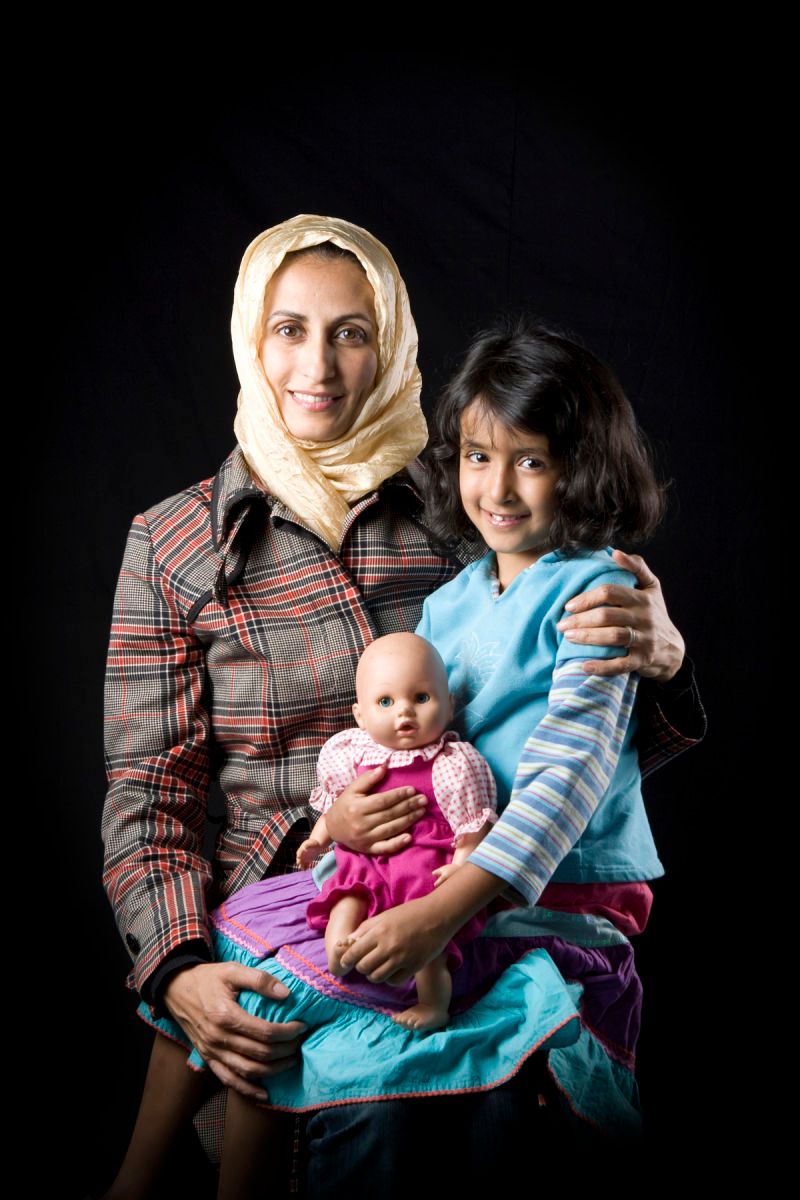
In this ongoing project on the hijab/veil I wanted to explore the many facets of the veil based on my own personal experiences and observations: the convenience, freedom, strength, the power, liberation, limitations, danger, humor, irony, the variety, cultural, social, and religious aspects, the beauty, mystery, the hijab/veil as a form of self expression, fashion, protection, identity, resistance, the veil as not solely an Arab, Muslim Middle Eastern phenomenon, the double standards, the trends, the history and politics of the hijab/veil, as well as differing interpretations, misinterpretations, misunderstandings and fear in regards to the hijab/veil.
The hijab/veil is an iconic symbol that conjures strong emotions. As an Arab Muslim woman, who has first hand experience with the hijab, I have mixed feelings regarding this topic.. I don't believe it is black or white. I found the veil to be an intriguing, complex, multilayered topic, that involves religion, politics, sociology, fashion, feminism, history and more. Although looked down upon in the west, and seen as a symbol of women’s oppression, The veil is a symbol that the west seems fixated upon. And uses it as a guise in their mission to fight for “women’s rights.’
To some women wearing the hijab/niqab is a form of duty, devotion, to some it it can also be a form of resistance (ie: women wearing hijab in West, especially in previous colonial countries), and identity. For others it is worn out of practical reasons: protection from gazing stares of men, it is expected and the norm, and out of respect for religion, culture and traditions.
I also want to be careful not to fuel the stereotypical widespread negative images most commonly portrayed about the hijab/veil in the Western media. Especially the notion that most, or all women who wear the hijab/veil, are weak, oppressed, helpless, ignorant, and backwards.
Furthermore, I hope and look at and challenge both Western and Middle Eastern stereotypes, fears, and ideas regarding the veil.